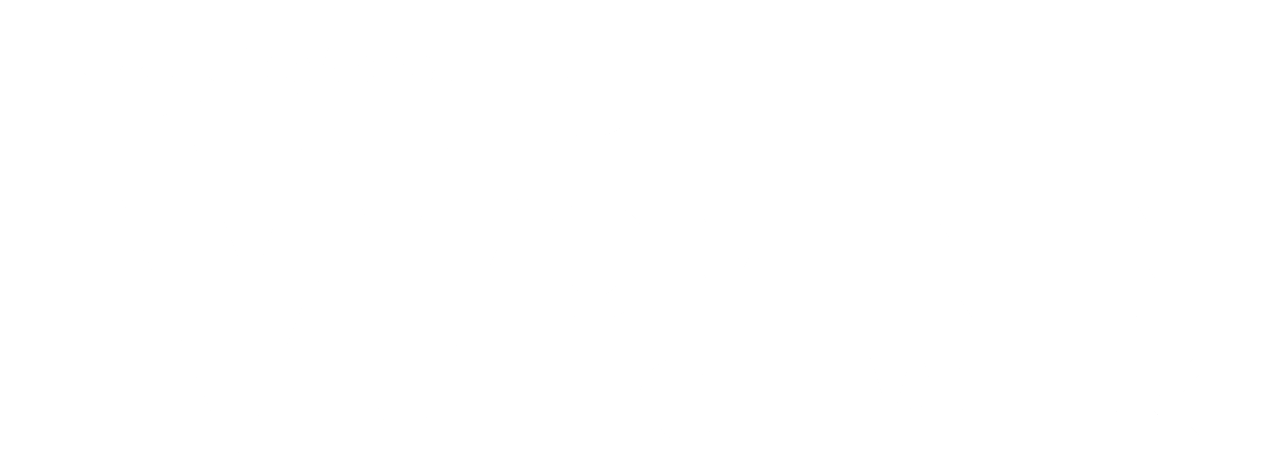

Angie Garland is Escalations Engineer at Content Guru, responsible for troubleshooting software to identify problems and create solutions.
Tell us a bit about yourself, background and your current role?
My background is in engineering, specifically mechanical engineering. I currently work in IT as an Escalations Engineer at Content Guru, Europe’s leading cloud contact centre and customer experience (CX) technology provider. Throughout the years, my responsibilities have shifted along with the team’s priorities, so my role as an escalations engineer is now focused on expediting the handover process; working alongside the Project Team to resolve and mitigate any issues customers might experience with our cloud contact solution before they go live.
Did you ever sit down and plan your career?
I had planned for a career in biomechanics designing prosthetics, but I hadn’t been getting any feedback from my applications in engineering roles. A recruiter called and asked if I wanted to attend an assessment day for a sales role at Content Guru. It wasn’t what I was hoping to do, but I was willing to give anything a go. After the assessment day, I was told that they thought I wouldn’t be a great fit for sales, so after a brief conversation with Sean, the founder and CEO, they offered me a job in a more technical department instead!
Have you faced any career challenges along the way and how did you overcome these?
It might sound silly, but during my degree coding was the part I hated the most- it didn’t make any sense to me. When I first started at Content Guru, de-bugging other people’s code was extremely challenging but ultimately rewarding. I now understand it a lot better, and it helps me to reflect on how far my abilities in this field have come.
The main difference between coding at a job and at university is the mindset. At university, lecturers are focused on getting everyone to pass exams and they aren’t necessarily worried about making sure students understand the processes behind decisions. In a work environment, I can go and talk to my colleagues in other departments and ask them why they have written code in certain ways, and they take the time to explain it to me. I think this difference has helped me to overcome this challenge, especially when it comes to debugging other people’s code.
What has been your biggest career achievement to date?
Before the pandemic, I was alerted to an all-hands call in the middle of the night. There was a problem on the platform which required all available people to come into the office and investigate immediately. Despite being on holiday, I knew my team would not have put out the call unless it was an emergency so I called around and told them I could be there in the next half an hour.
As a result of my leadership and enthusiasm, I received the Redwood Award. The software we make is used by critical national infrastructure, including emergency services, so when there is a problem it must be rectified swiftly. It’s nice to have your achievements recognised, especially when you go above and beyond for your team, but I would’ve expected anyone in my position to do the same thing.
What one thing do you believe has been a major factor in you achieving success?
100% my team. Having people around you that you can rely on, and I know they have my back too, helps me to pick up a lot more workload. I like to think it drives my progression and their progression. With trust and help good things can happen in a team – teamwork really does make the dream work!
What top tips would you give to an individual who is trying to excel in their career in technology?
It sounds corny, but read about the topics you will engage with. If you are in a customer-facing role and you know more about what the customer is doing you’ll be able to see things from their perspective and have more empathy, and they’ll be more likely to realise you are on their side and that you understand what they need. Equally, if you work on the technical side of things, understanding what your seniors are doing and why they are taking the steps they are taking can help you to comprehend the processes behind the decisions. It also works well for suggesting alternative solutions, because you’ll be presenting them based on knowledge and not because you just don’t “like” their idea.
What barriers for women working in tech, are still to be overcome?
There is still a lot of unconscious bias, probably because the world of tech has been an “old man’s club” for too long. It’s frustrating when you are trying to get people to listen to you and understand that you do know what you are talking about.
In general, assertive women working in tech can be perceived as “bossy” and “nagging” and other negative connotations, whereas if a man were to act the same he is a “strong leader” and “determined”. These are the kind of perceptions I would love to see change.
What do you think companies can do to support and progress the careers of women working in technology?
I think having more regular touchpoints, like a women’s committee, can help to make women’s voices heard. There are so many men in the field so I think it’s necessary to offer validation and support to women that need it. 1 on 1 time with a manager can help manage and prevent feelings of imposter syndrome, and can stop it from becoming a bigger issue. It’s far too easy to start to let thoughts that you don’t belong there creep in so these regular catch ups can be a great way to combat these and help the women in these positions to “unlearn” that way of thinking, and reframe any negative thoughts into positive ones!
In an ideal world, how would you improve gender diversity in tech?
I think one of the best ways to improve gender diversity things is helping to draw visibility to women who are already in tech and are bossing it. Women have been in tech since the beginning, but are much less publicised. Young girls don’t feel represented in tech achievements, so they think it isn’t a viable career path for them. More needs to be done to show girls that this is what their future career could look like and to pursue it if they would enjoy it.
What resources do you recommend for women working in tech?
I can recommend some excellent reads! The first is Invisible Women written by Caroline Criado Pérez. The book discusses data captured in different studies and how, in a lot of cases, the data captured has not taken women into account. An example would be when engineers were designing a new stove for developing countries the male engineers didn’t talk to the women who would be using it. This led to the women not using the new stove because it was designed according to the engineers’ priorities. The book is especially insightful because it shows that in many cases, being more informed about women would help create a more equal environment. I would recommend this book to anyone!
The second book is The Authority Gap, written by Mary Ann Sieghart, which looks at the disparity between the number of women and men in leadership roles. I like that the book mentions that the authority gap is not just men thinking that women aren’t in roles of power or have authority, but that it is also women not thinking that other women have that authority. It also goes through a lot of scientific studies and interviews with women in authority roles, like university professors and anecdotes from previous Heads of State! I’m only a few chapters in, and so far the author has focussed on the ingrained social unconscious bias that men know what they are talking about but women don’t.
Related Articles


Inspirational Woman: Naomi Yonge | Data Science Consultant Manager | LiveRamp
Naomi is the Data Science Consultant Manager for data collaboration platform,…