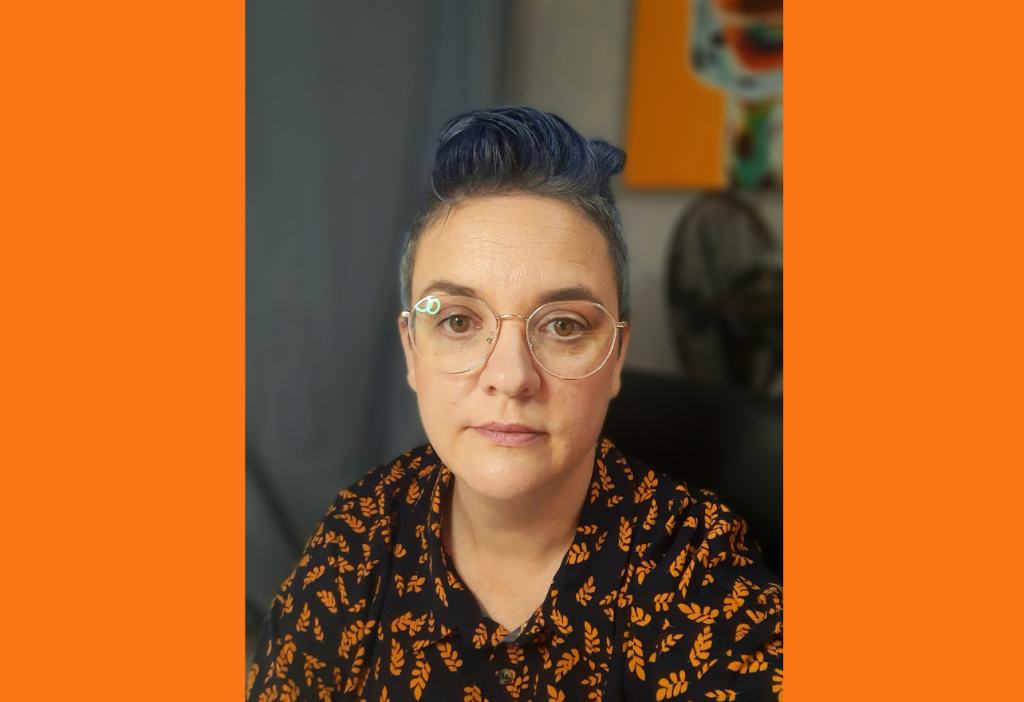
As Jennifer Cox prepares to speak at UK Cyber Week on mapping an attach path, mitigating risk and telling some uncomfortable truths, we speak to her first about her career and how she came to be a cyber security specialist.
I am a Mum to four boys and have worked in tech for 17 years. My experience was very general prior to joining Tenable in 2016 when I focused solely on Cyber Security. In Tenable I manage three teams globally. One post-sales, one pre-sales and the Global Architects. It makes for some really interesting conversations and often a steep learning curve. I love it!
I’m involved in a lot of things outside of Tenable. I began Mentoring with Wentors back in 2019 and have continued to mentor through a number of different programmes since such as WiCyS (Women in Cyber Security Global), WomenTech and of course, Tenable among others. Mentoring is one of my favourite hobbies outside of work. It’s so rewarding.
Besides Mentoring, I am an Ambassador for WiCyS UK’s Affiliate. I love to public speak and have done so recently at events like ZeroDayCon Dublin, Wicked6 Global, PlayCyber League, and of course now UK Cyber Week!
Did you ever sit down and plan your career?
I’d love to say yes, but it would be a lie. When I was in school I was told I’d be good at teaching or working with computers. Both of which weren’t ‘cool’ for girls at the time so I, like any teenager, rebelled against it. My first tech job happened accidentally. I took an admin role with a tech company logging support cases and over time began answering and resolving some of the issues when people called in. That led to a role in the support team, which led to a specialist software support role, which led to leadership and eventually I was the IT Coordinator for the company and their multiple sites.
I then wanted to specialise in cybersecurity and moved to Tenable. I haven’t looked back since. In Tenable, I began again in Support, moved through the ranks, then moved to the Security Engineering team and eventually to my current leadership role. If you had told me when I started that this would lead to where I am now I would have certainly not believed you.
Have you faced any career challenges along the way and how did you overcome them?
There have been plenty. For me the biggest challenge was the lack of a Degree. It meant that I had to wait until I had 10 years’ experience before I could confidently make the move. Knowing what I know now, it didn’t matter and I actually held myself back. I didn’t believe I could do it because I didn’t have a piece of paper validating my skills. I kept ignoring all the experience I’d gained through living and working that were way more relevant. I did actual study and get certifications in Theatre Studies and Psychology over the years but again, because it wasn’t the career I was in, I deemed them invalid. If I could go back now I’d tell myself to get over it and push harder, earlier and trust in the skills I’d obtained on the job.
What has been your biggest career achievement to date?
In 2019 I was asked by Women in Tech Ireland to speak at their event in the Convention Centre in Dublin. I spoke about work/life balance, something that is really important to me. When I stepped on the main stage in front of 1200 people I had a wow moment that I’ll never forget. I’ve spoken at a lot of events and in front of a lot of people that I admire but that one always sticks with me. My sister was in the audience and seeing her big proud grin, knowing that she was there when things weren’t so great was a wonderful moment for me.
I think career achievements don’t always have to be about earning big money, getting the big title or a specific qualification but, feeling, in a moment, like it’s all starting to come together. That was it for me.
What one thing do you believe has been a major factor in your achieving success?
The support of many men along the way. I began my career in tech at a time where I was almost always the only woman in the room. This brought with it many challenges however, over the years, there were a couple of men who taught me to demand more and take no nonsense. Often when trying to push for more diversity in tech we risk making the majority feel like they are somehow at fault. This is never my intention and, for me, it was a man that told me to ask for more money and helped me understand why I deserved it.
It was a man that helped me prepare for a promotion and gave me the genuine reference I needed to seal the deal. My house is full of men. My husband, my four boys and my dog, all male. Every one of them has learned to get behind those that need the push. That they can make a difference by speaking out for the majority. Except the dog of course, he’s a brat but we love him.
What top tips would you give to an individual who is trying to excel in their career in technology?
Say ‘Yes’ to everything. We tend to stand in our own way a lot. If you start with small things and say yes. Meeting someone for coffee, helping with a presentation, handing out flyers; whatever it is, as long as it’s in relation to your career. You’ll be surprised how quickly things develop. I wanted to get involved in all things women in tech but wasn’t sure how I’d find the time with commuting, family etc, so I started by saying yes to anything specifically related to women in tech. I filled in questionnaires, shared posts, volunteered to review and edit papers, and nine months later I was speaking on the mainstage at the Convention Centre in Dublin. So, say yes.
Do you believe there are still barriers for success for women working in tech, if so, how can these barriers be overcome?
There are of course still barriers for success. If there weren’t we’d see equal representation. This extends beyond women in tech and includes all the other diverse groups also. Overcoming barriers comes with great communication. If a company truly wants Diversity, Equity and Inclusion then this is something that should be clearly communicated to those who work for the company, those who are customers of the company and their public persona. If you are truly behind equality then why keep it a secret or only talk about it in-house?
If you want to drive diverse groups towards your workforce then you need to show them that you are truly supportive of them and not just pay lip service because it’s considered cool to be talking about that today.
What do you think companies can do to support and progress the careers of women working in technology?
There are lots of things that can be done including paid parental leave, staggered return to work, welcoming returners after longer leave, flexible work hours, flexible work locations, job-sharing, having a board with women on it, having women in leadership roles so we can see that it’s a possibility for the future, and more. Someone who feels supported responds with loyalty and a work ethic like no other. It’s a no-brainer.
How can we accelerate the pace of change for women in the industry?
I would put more women in senior positions – Directors, Board Members, Executives, C-Levels. There has been great work creating entry-level roles for women and even some highly skilled roles but all too often it stops there. The progress simply isn’t happening higher up at the rate needed in order to see true equality. Hopefully that will change, maybe not in my lifetime, but for the next generation.
What resources do you recommend for women working in tech? For example, podcasts, networking events, books, conferences, websites etc?
Here are a few I love:
-
- WiCyS UK Affiliate
- Wentors Mentoring program
- BBWIC Foundation
- Any book by Kevin Mitnick is fantastic
- Book: People Hacker by Jenny Radcliffe (she has a podcast too)
- Book: Emotional Intelligence by Daniel Goleman
- Podcast: Goodnight Stories for Rebel Girls (especially for kids)
- Podcast: Darknet Diaries
- Podcast: The Guilty Feminist
- Anything Ted Talks
Related Articles


Inspirational Woman: Naomi Yonge | Data Science Consultant Manager | LiveRamp
Naomi is the Data Science Consultant Manager for data collaboration platform,…